Introduction
Bunions are a common foot condition that can cause discomfort and affect the quality of life for many 拇趾外翻手術 . Characterized by a bony bump at the base of the big toe, bunions can be both unsightly and painful. In this article, we will explore the causes, symptoms, and various treatment options for bunions to help individuals better understand and manage this common foot problem.
Causes of Bunions
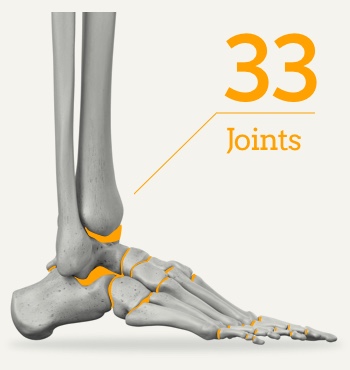
Bunions often develop when the joint at the base of the big toe becomes misaligned, causing the big toe to lean toward the second toe. This misalignment can result from various factors, including:
Genetics: A family history of bunions can increase the likelihood of developing them. Certain foot shapes and structures may be inherited, making individuals more prone to this condition.
Footwear: Wearing tight, narrow shoes or high heels can contribute to the development of bunions. These types of footwear can squeeze the toes together, putting pressure on the joint and leading to misalignment over time.
Foot Structure: Some individuals have a foot structure that makes them more susceptible to bunions. Conditions such as flat feet or low arches can contribute to the development of bunions.
Symptoms of Bunions
The symptoms of bunions can vary in severity. Common signs and symptoms include:
A bony bump: The most noticeable sign of a bunion is a protruding bump at the base of the big toe.
Pain and tenderness: The affected area may be painful, especially when wearing shoes or walking.
Swelling and redness: The bunion may be swollen and red, particularly after prolonged periods of standing or walking.
Restricted movement: The misalignment of the big toe joint can limit its range of motion, making it difficult to move the toe comfortably.
Treatment options for Bunions
While bunions are typically permanent once they develop, there are various conservative and surgical treatment options available to manage symptoms and slow down the progression of the condition. These include:
Footwear modifications: Wearing wide, comfortable shoes with a low heel and good arch support can help alleviate pressure on the bunion and reduce symptoms.
Orthotic devices: Custom-made or over-the-counter orthotic inserts can provide additional support and help distribute pressure more evenly across the foot.
Padding and taping: Padding the bunion and using special taping techniques can help reduce friction and pain.
Medications: Nonsteroidal anti-inflammatory drugs (NSAIDs) may be recommended to alleviate pain and reduce inflammation.
Physical therapy: Exercises and stretches can be prescribed to improve joint mobility and strengthen the muscles around the affected area.
Surgical intervention: In severe cases where conservative measures are ineffective, surgical correction may be considered. This involves realigning the affected joint and removing the bony bump.
Conclusion
Bunions are a common foot condition that can affect individuals of all ages. While they may be influenced by genetic factors, footwear choices, and foot structure, there are various treatment options available to manage symptoms and improve quality of life. It’s essential to consult with a healthcare professional for an accurate diagnosis and personalized treatment plan tailored to individual needs.