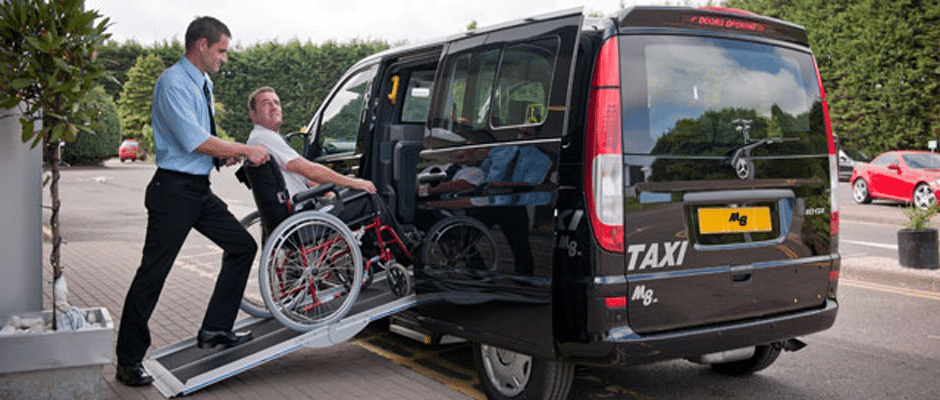
Urban transportation is undergoing a significant transformation, with increasing attention being given to inclusivity and accessibility. Among the most critical aspects of this evolution is the rise of wheelchair friendly accessible taxis, a service designed to provide safe, convenient, and comfortable transportation for individuals with mobility challenges. These specialized taxis are helping to bridge gaps in public transit, offering independence and freedom to people who might otherwise face significant barriers when traveling within cities.
Wheelchair friendly accessible taxis are designed with features that prioritize safety, comfort, and convenience for passengers with disabilities 無障礙的士. Vehicles typically include ramps or lifts that facilitate easy boarding and disembarking, securement systems to safely accommodate wheelchairs, and additional space to ensure passengers can travel without feeling cramped or restricted. Drivers often receive specialized training to assist passengers appropriately, ensuring that each journey is not only functional but also dignified and stress-free.
The growing demand for wheelchair friendly accessible taxis highlights a broader societal shift toward inclusive urban mobility. Traditional taxis and ride-hailing services frequently fall short in accommodating individuals who use wheelchairs, limiting their ability to participate fully in community life, employment, and recreational activities. Accessible taxis address these limitations, providing equitable transportation options that empower people with disabilities to maintain independence and enjoy the same opportunities as other members of society.
One of the most significant benefits of wheelchair friendly accessible taxis is convenience. Many public transit systems, while improving, still present obstacles for passengers with mobility challenges. Elevators may be out of service, buses may not have proper lifts, and subways may lack sufficient accessibility features. Wheelchair friendly taxis allow users to bypass these potential issues, offering door-to-door service that eliminates the stress and uncertainty often associated with navigating public transportation networks.
In addition to improving convenience, accessible taxis also enhance safety for passengers. Securement systems within vehicles ensure that wheelchairs remain stable during transit, minimizing the risk of injury. Many taxis are equipped with non-slip flooring, grab handles, and sufficient interior lighting, creating an environment that prioritizes passenger security. For families traveling with someone who has mobility limitations, these safety features offer peace of mind, making travel more manageable and less stressful.
Technology has played a pivotal role in expanding the reach and efficiency of wheelchair friendly accessible taxis. Online booking platforms and mobile apps now allow users to schedule rides in advance, track vehicle locations in real time, and communicate directly with drivers. These technological tools make it easier for individuals to access transportation services reliably, plan their journeys effectively, and reduce waiting times. Integration with mapping and navigation software ensures that drivers can reach destinations efficiently, even in busy urban areas.
Accessibility goes beyond just physical accommodations. Many wheelchair friendly accessible taxis also provide customer service training to drivers that emphasizes respect, patience, and effective communication with passengers who have disabilities. This holistic approach ensures that users are treated with dignity and professionalism, improving the overall travel experience. The combination of physical modifications and driver training sets accessible taxis apart from standard transportation services.
The economic and social impact of wheelchair friendly accessible taxis is substantial. By providing reliable mobility options, these services enable individuals with disabilities to access employment opportunities, educational institutions, medical appointments, and recreational activities. Greater mobility translates into increased independence and self-sufficiency, reducing reliance on family members, caregivers, or community support systems. This, in turn, contributes to broader social inclusion and economic participation.
Government policies and urban planning initiatives increasingly recognize the importance of accessible transportation. Many cities offer incentives or regulatory support to taxi operators that provide wheelchair friendly services. Public funding and grants can assist in purchasing specialized vehicles, installing lifts, and training drivers. Such initiatives are part of a broader effort to create cities that are inclusive and accessible to everyone, regardless of physical ability.
Environmental sustainability is another aspect where accessible taxis are evolving. Many operators are investing in hybrid or electric wheelchair friendly vehicles, reducing carbon emissions while maintaining accessibility standards. This dual focus on inclusivity and environmental responsibility reflects a growing awareness of the need for transportation solutions that are both socially equitable and ecologically conscious.
Community awareness also plays a critical role in promoting wheelchair friendly accessible taxis. Public campaigns, advocacy by disability organizations, and partnerships with hospitals or rehabilitation centers help increase understanding of available services. These efforts ensure that individuals who could benefit from accessible taxis are aware of their options, fostering greater use and continued development of inclusive transportation infrastructure.
The integration of wheelchair friendly accessible taxis with other modes of transport is creating a more seamless mobility ecosystem. For instance, these taxis can complement paratransit services, metro systems, or bus networks, offering first-mile and last-mile connectivity that ensures complete journeys are manageable. Coordinated transportation networks enhance the reliability and efficiency of travel for individuals with mobility challenges, making cities more navigable and inclusive overall.
Challenges remain in the widespread adoption of accessible taxis. High costs associated with specialized vehicles, limited availability in certain regions, and insufficient public awareness can restrict access. However, continued investment in infrastructure, driver training, and technology is gradually overcoming these obstacles, making wheelchair friendly transportation increasingly mainstream. Collaboration between public authorities, private operators, and advocacy groups is key to expanding service coverage and improving affordability.
The future of wheelchair friendly accessible taxis is closely linked with technological innovation. Autonomous vehicles, advanced navigation systems, and real-time data analytics have the potential to revolutionize accessibility further. Self-driving accessible taxis could provide even greater independence for users, reducing reliance on human drivers and increasing the availability of services. Additionally, predictive analytics can help operators anticipate demand, optimize routes, and improve scheduling, ensuring that accessible transportation is efficient, reliable, and widely available.
In conclusion, wheelchair friendly accessible taxis are transforming urban mobility by providing inclusive, convenient, and safe transportation options for individuals with mobility challenges. These services empower passengers, promote independence, and facilitate social and economic participation. Through technological innovation, driver training, supportive policies, and community awareness, accessible taxis are becoming an essential component of equitable urban transportation systems.